
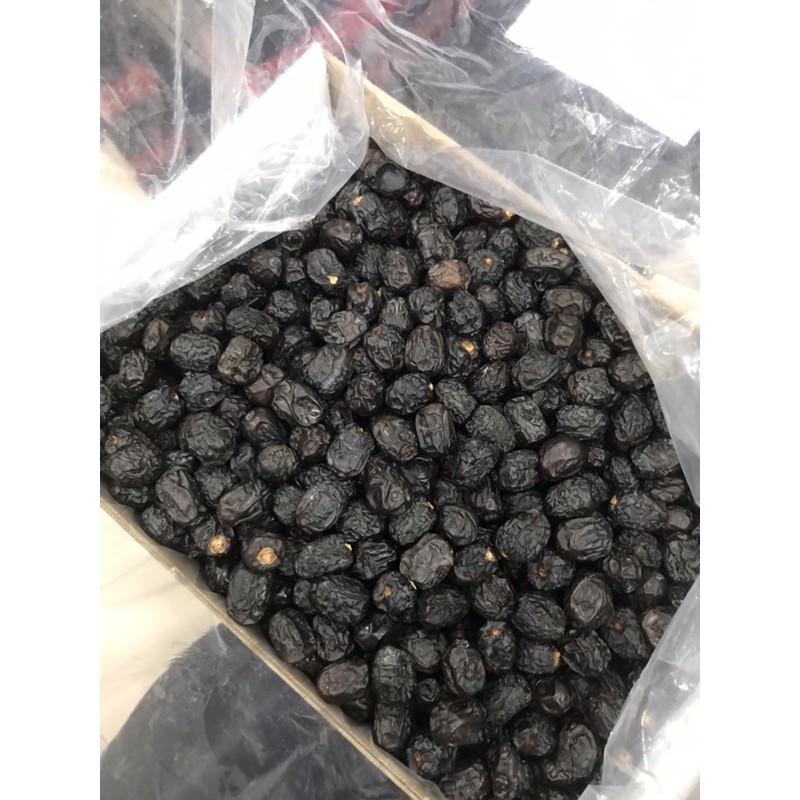
Ask a date seller whether their stock is organic or ethically sourced, and a friendly yes is easy to give. That is the problem. A word on a website costs nothing, so the real question about a wholesaler such as Kurma Wholesaler, or any other name you meet when buying kurma in bulk, is what paperwork stands behind the word. This piece goes through what those claims mean, which ones can be checked, and what to ask before you pay for a carton.
Start with where the fruit grew
Malaysia has no commercial date-growing trade. Every date sold here is imported, so any ethical question about a carton is really a question about a farm, a packinghouse and a trader somewhere else.
That somewhere is a fairly small part of the world. In its date palm handbook, FAO lists Egypt, Iran, Saudi Arabia, Pakistan and Iraq as the top five producers in 2001, together about 69 percent of world output. Add Algeria, the UAE, Sudan, Oman and Morocco and the share rises to 90 percent. The same chapter notes that about 93 percent of the harvest is eaten in the producing countries, and only a small share is ever exported.
For a buyer in Malaysia the practical step is simple: know which country your variety should come from, then check that the carton says the same thing.

| Variety | Origin you should expect | What it is like |
|---|---|---|
| Ajwa | Madinah, Saudi Arabia | small, roundish, near-black, soft |
| Safawi | Madinah region, Saudi Arabia | longer than Ajwa, dark brown to black, soft and chewy |
| Sukari | Al-Qassim, Saudi Arabia | golden-amber, very sweet |
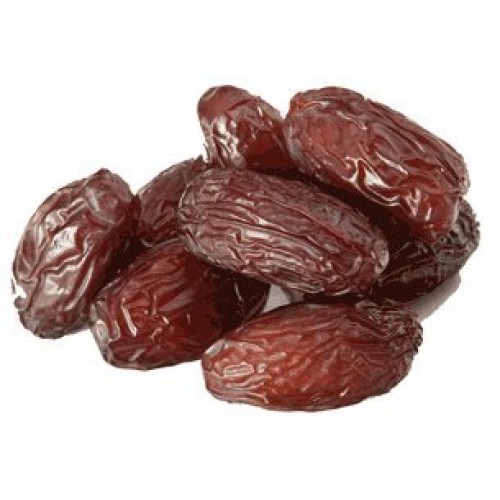
| Medjool | originated in Morocco | large, very soft, rich caramel taste |
| Mazafati | Bam, Kerman province, Iran | dark, very soft, needs refrigeration |
| Mariami | Iran | dark, semi-dry, chewy |
| Deglet Noor (kurma tangkai) | Tunisia / Algeria | golden, translucent, semi-dry |
A box of "Tunisian" Ajwa or Madinah Deglet Noor tells you the label is careless, whatever else it claims. FAO also notes that in most importing countries the law demands that weight, country of origin, quality and date of expiry appear on the package. Read that panel before you read any marketing.
What an organic claim has to rest on
"Organic" is a regulated word under the USDA's National Organic Program, which publishes its rules openly, so it makes a useful yardstick. Under those rules, organic products must be overseen by a USDA-authorised certifying agent, and the label itself has to be reviewed and approved by that agent before it goes on sale.
The USDA also spells out what an uncertified business may say. If you are not certified, you must not make any organic claim on the front panel or use the organic seal anywhere on the package. There are four label levels:
- "100 percent organic", which most raw or minimally processed farm crops can carry
- "Organic", for products with at least 95 percent organic ingredients
- "Made with organic ___", for at least 70 percent, and no seal allowed
- below 70 percent, organic ingredients may only be named in the ingredient list
A mixed gift tray of dates, nuts and chocolate is judged on its whole ingredient list, so read the wording on a hamper carefully. There is one exemption: producers selling less than US$5,000 of organic products a year do not need certification, but they still have to follow the rules, and their goods cannot carry the seal.
So when a seller says "organic", ask for the certificate and the name of the certifier. A seller who has neither may well have good fruit. They just cannot call it organic under rules like these.
What Fairtrade certification covers
Fairtrade describes itself as the most recognised and trusted sustainability label. It says its system rests on a Minimum Price, which acts as a safety net when market prices fall, and a Fairtrade Premium, extra money that farmers and workers decide how to spend. Its standards include rights at work, safe conditions and democratic structures in producer cooperatives.
The checking is done by audit. Fairtrade states that compliance is checked through regular audits by an independent certification body, with physical inspections of fields and plants, document and finance reviews, and confidential interviews with staff. FLOCERT, which is ISO 17065-accredited, is the main certifier.
The useful part for a buyer is the FLOCERT customer search, a public list of Fairtrade-certified organisations you can browse by product, country and certification status. If a supplier tells you their dates are Fairtrade, that list is where to look. Whether any date supplier you deal with appears on it is something you can find out in a few minutes, without taking anyone's word.
Questions to put to a borong kurma supplier
None of this needs a confrontation. A good trader expects questions, and the answers sort the claims quickly.
| What you are told | What to ask for | Where to check it |
|---|---|---|
| "It's organic" | the certificate and the certifier's name | the certifier, and the front panel of the pack |
| "It's Fairtrade" | the certified organisation's name | the FLOCERT customer search |
| "Imported direct from the farm" | the country of origin and the packer | the origin and expiry data on the carton |
| "Ethically sourced" or "sustainable" | which named standard the phrase refers to | that standard's own register, if one is named |
The last row matters most. If a phrase points to no named standard and no certificate, there is nothing for you to check, and it is fair to treat it as a sales line rather than a fact.
Traceability inside the packinghouse
Ethics is not only about the farmer's pay. FAO describes how a well-run date packinghouse keeps track of its fruit: labels with the grower's number go on the crates at entry, during fumigation and storage, and through sorting and packing. Documented findings make the product traceable, which FAO calls important for catching mishaps at each stage.
Fumigation is part of that chain. FAO names methyl bromide as the substance most often used and phosphine as the main alternative, and says the process must follow the law and the rules protecting the people who do it. That is a worker-safety point, and a fair thing to ask an exporter about if you buy in container lots.
Some quality schemes go further. FAO notes that when dates are produced for export, certification has to take place through an internationally recognised certifying body, and that some buyers require suppliers to hold that authorisation with documented traceability.
Handling once the stock reaches you
Responsible sourcing does not end at the port. Mazafati is cold-stored and sold year-round, and it needs refrigeration. Deglet Noor sold on the branch is another case where handling counts, and the notes on kurma bertangkai cover the FAO packing and temperature details for it. Demand also peaks before and during Ramadan, with Hari Raya, weddings, kenduri and umrah gifts as other busy periods, so ask your questions well before those weeks, when a supplier still has time to send documents.
Price is the other half of the decision. If you are comparing cartons, the 5kg carton price list sets out grades and per-kilo figures, and the Borong Kurma Malaysia buying guide walks through the wider wholesale process. A certificate adds cost somewhere in the chain. FLOCERT even publishes a fee calculator for anyone applying, so a certified carton priced well below plain stock deserves a second look.
Short answers
Are organic dates sold in Malaysia?
Only a certificate can tell you that for a given carton. Ask for it and for the certifier's name; under rules like the USDA's described above, a front-panel organic claim without one is not allowed.
Does "imported direct" mean ethically sourced?
No. It describes a trade route. Ethical claims need a named standard, such as Fairtrade, and a certificate you can look up.
Is there one place to check a Fairtrade claim?
Yes, the FLOCERT customer search lists Fairtrade-certified organisations by product and country.
More about this site is on the About Us page and the contact page.